
Welcome to Ajira Africa!
Welcome to Ajira Africa!

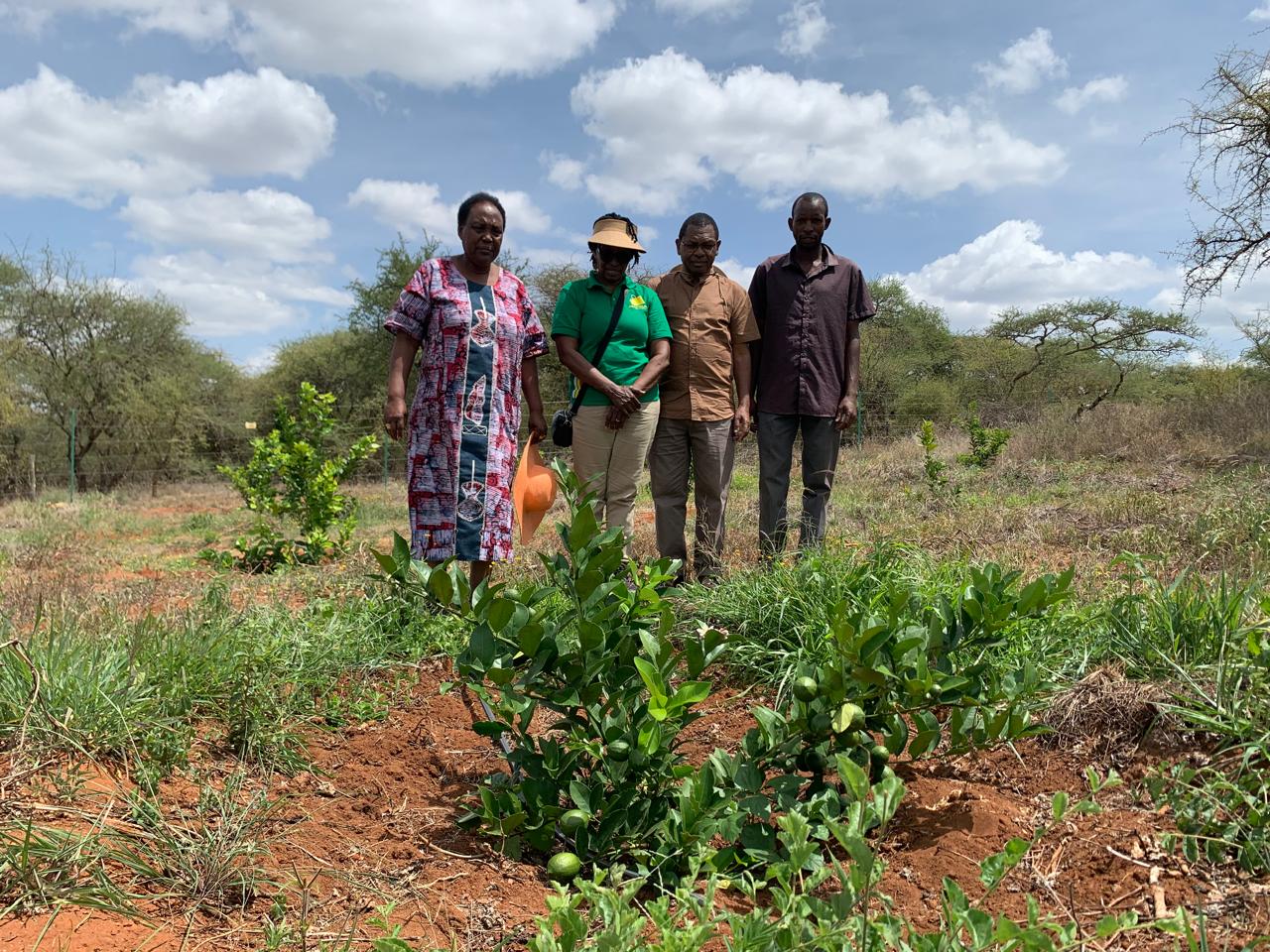
Ajira Africa is a Kenyan non-governmental organization established in 2021 that supports poor and marginalized communities living in arid and semi-arid lands (ASALs). The organization works to improve livelihoods by promoting climate-resilient, market-driven agricultural systems that respond to climate change, food insecurity, and limited rural economic opportunities. Ajira Africa focuses on strengthening agricultural value chains in ASAL contexts while supporting farmers to adopt diversified crop models that balance short-term income needs with long-term resilience.



Years of
experience
To Empower, Enhance and Transform ASAL
To raise the standard of living for people living in arid and semi-arid lands (ASALs) through commercially viable and ecologically sustainable farming.
Kenya’s arid and semi-arid lands account for more than 80 percent of the country’s landmass and are among the areas most affected by climate variability, recurrent droughts, and land degradation.
Agriculture in these regions remains largely rain-fed, with limited irrigation infrastructure and inadequate extension services. As climate change intensifies production risks, many farming households face declining productivity and unstable incomes.
Most smallholder farmers continue to rely on low-value subsistence crops that offer limited income potential and poor resilience to climatic shocks. Access to certified planting material, technical knowledge, and structured markets remains limited, discouraging investment in higher-value crops.
Ajira Africa works to address these barriers by supporting farmers to transition toward climate-resilient, market-oriented agricultural systems.
Ajira Africa’s approach is based on the belief that farmers can build resilient and sustainable livelihoods when they have access to appropriate inputs, practical knowledge, and reliable markets..
The organization focuses on three key areas:
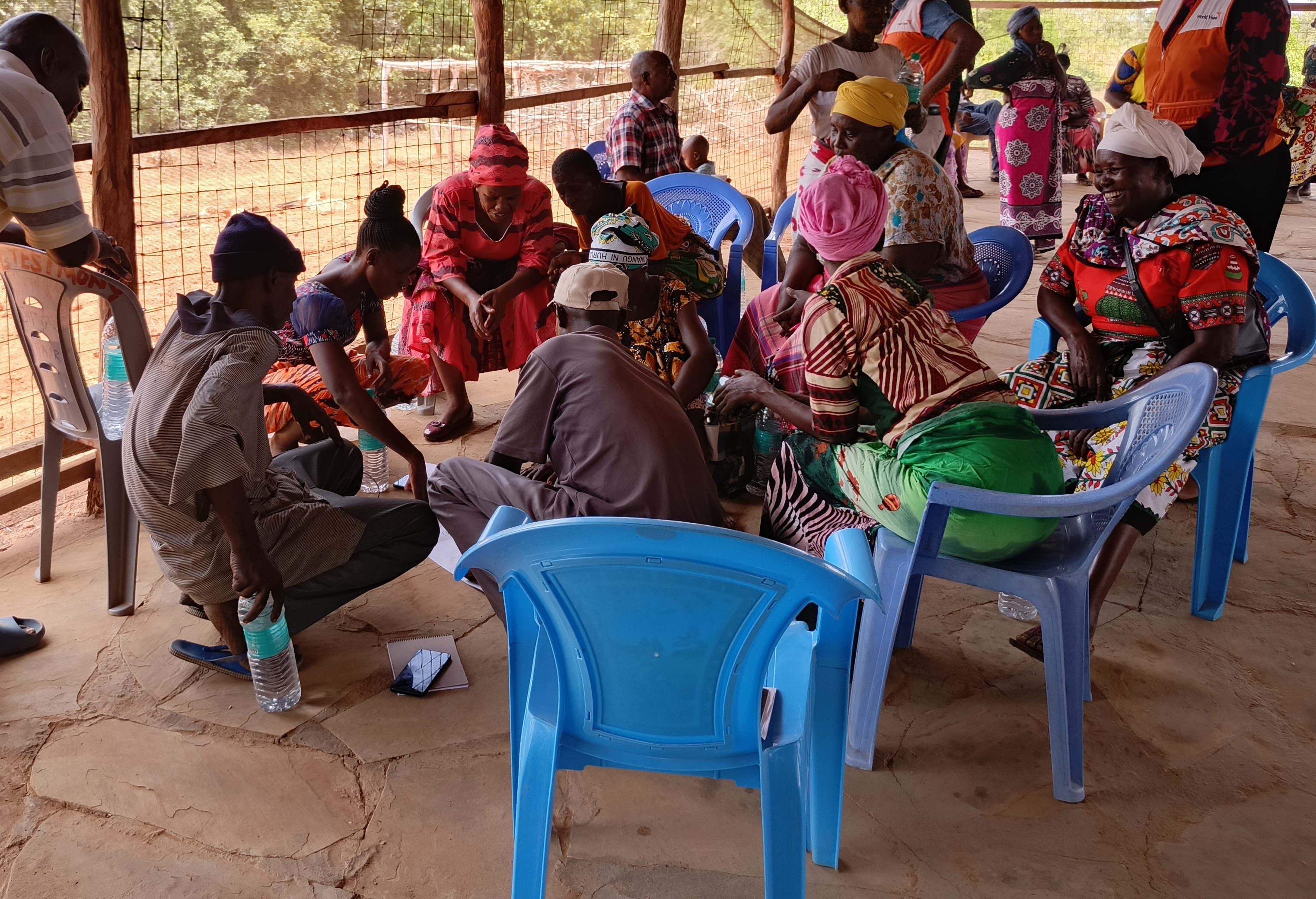
Providing training and extension services that enable farmers to adopt improved agricultural practices and manage climate-resilient crops .
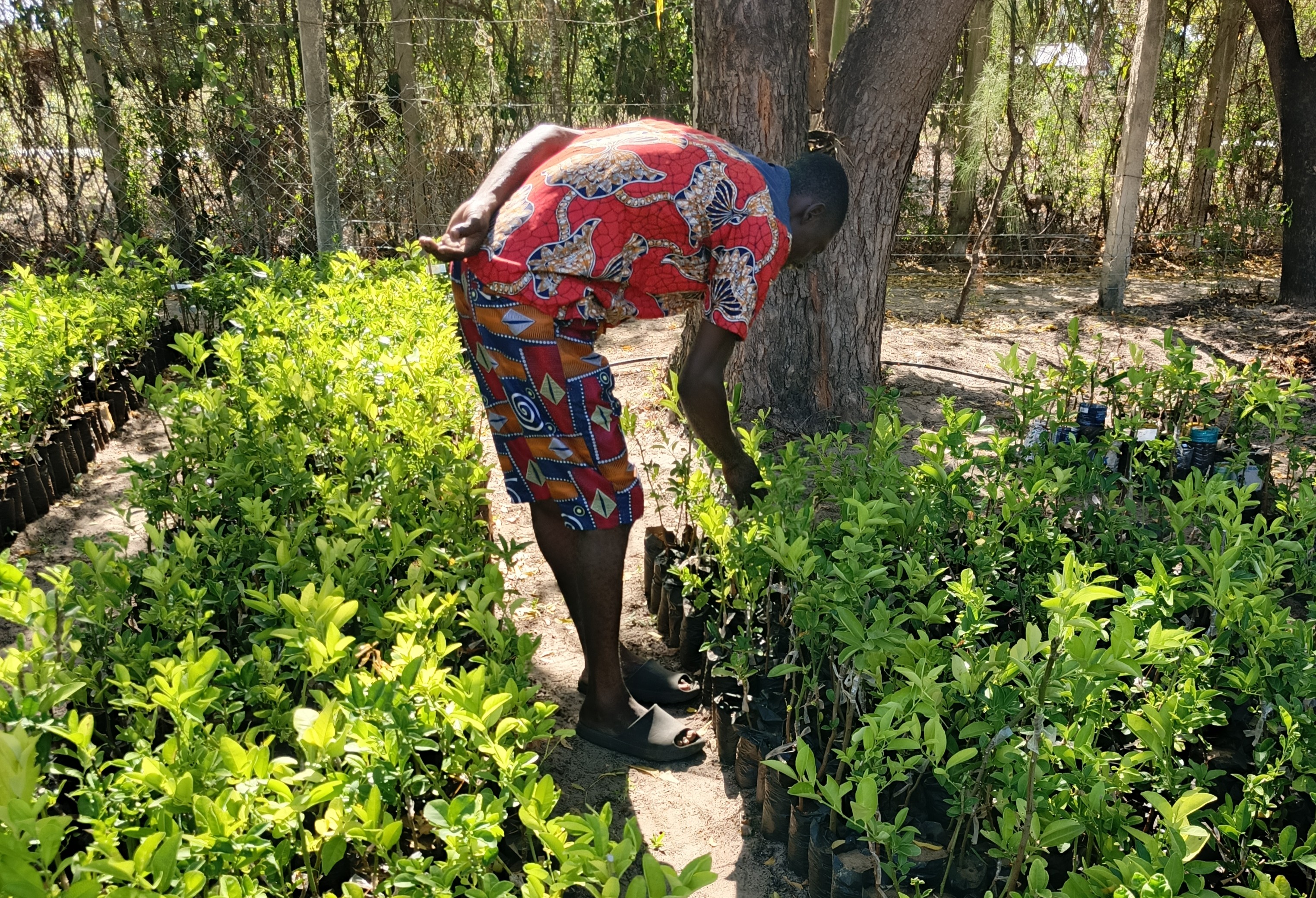
Facilitating access to certified seedlings, tools, and other inputs that allow farmers to establish productive farms.
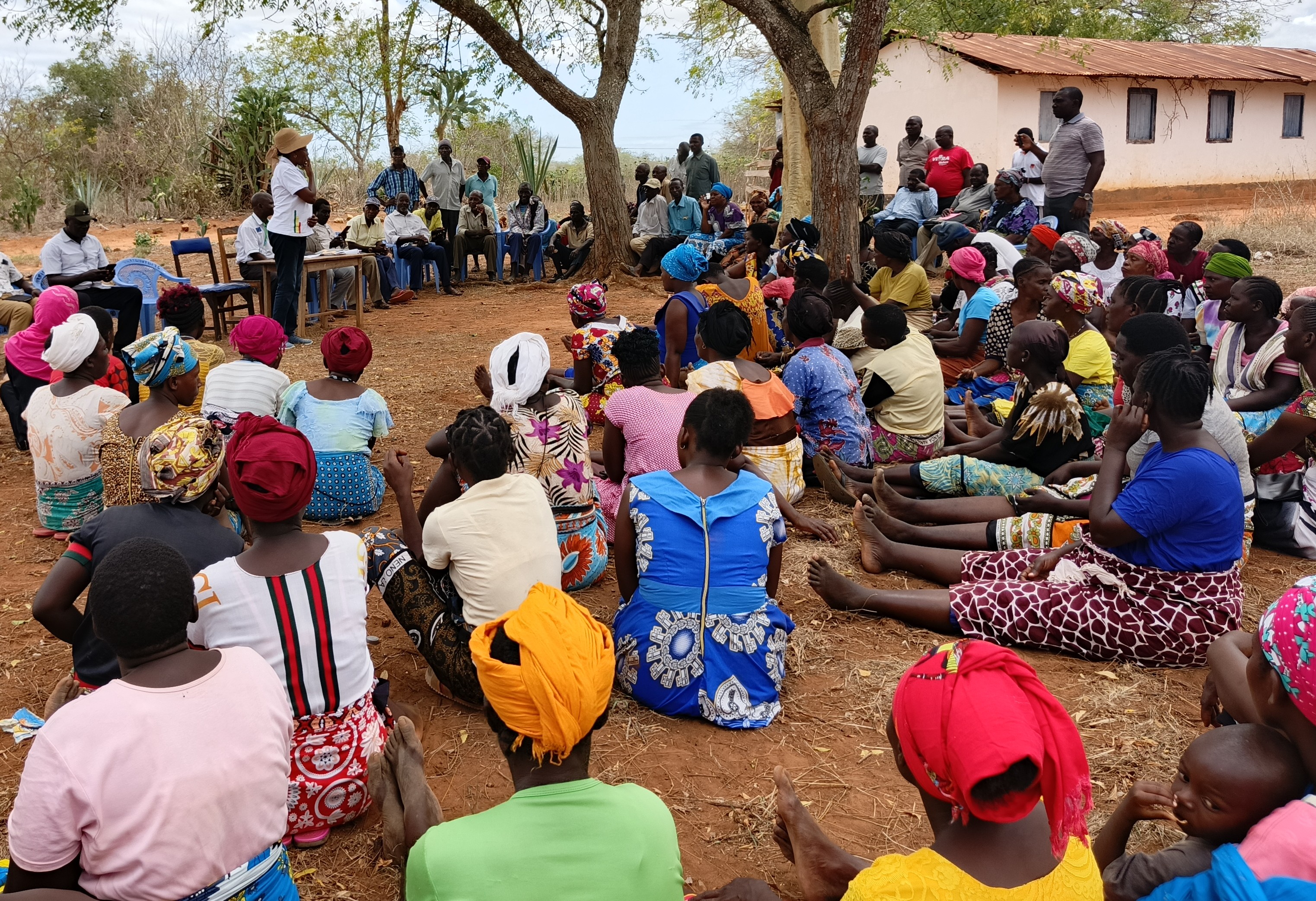
Working with private sector actors and value chain partners to connect farmers with reliable buyers and processing opportunities.